
Philosophy and Practice of Life Education
1. Philosophy
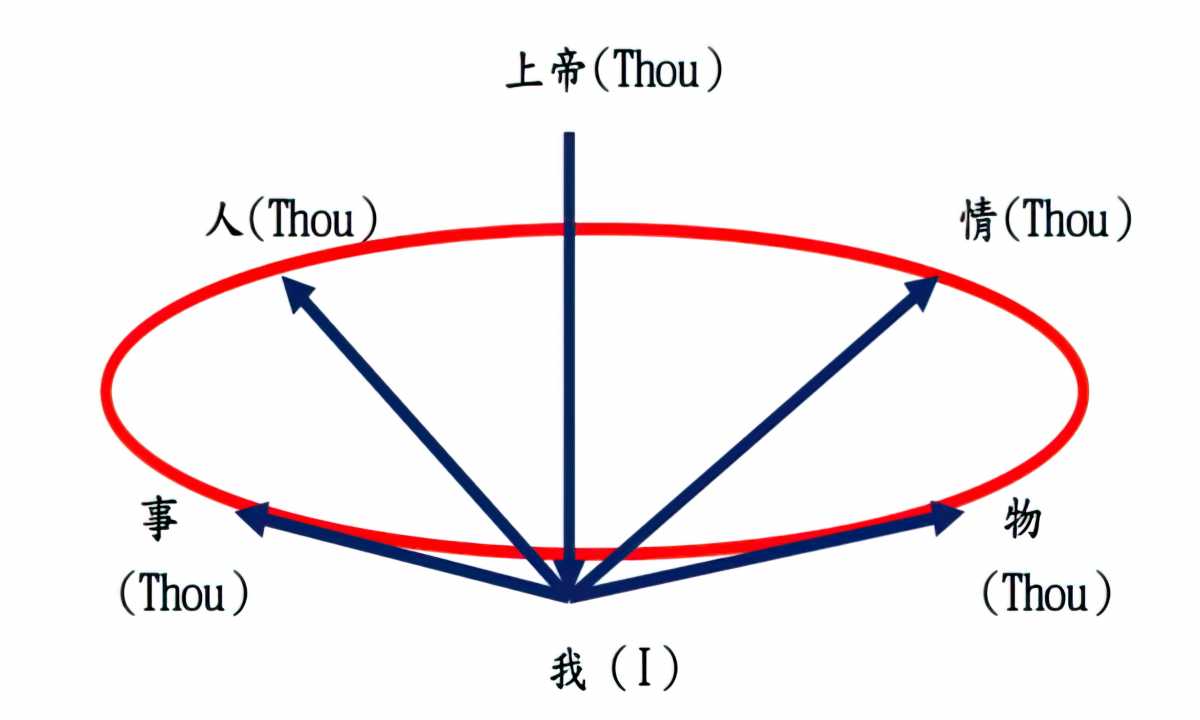
The school's life education philosophy is derived from Jewish philosopher Martin Buber's "I-Thou" theory, which advocates that the subjective self (I as Subject) engage in "genuine dialogue" with the five “others” beyond the self—God, emotions, people, things, and events (Othernesses as Subjects). Through "authentic communication" with these others, students cultivate the ability of "self-reflection." From issues of identity, faith, character, and various life crises, they rediscover the heavenly character, ethics, virtues, and responsibilities of being human. "He has shown you, O mortal, what is good. And what does the Lord require of you? To act justly, to love mercy, and to walk humbly with your God." (Micah 6:8)
2. Goals
Martin Buber said: "All real living is meeting." The Self encounters God and all emotions, people, things, and events at every moment and makes choices continually. I regard "them" (Othernesses) either as equal subjects (Thou) or as objects to be used (It), depending on whether I am willing to enter into "genuine dialogue" with them. By becoming conscious that they, like me, are subjects (Thou), we practice mutual inclusion, build "relationships" through love and care (Agape), and assume the appropriate responsibilities that those relationships entail.

3. Experiential Learning
The aim of life education is for students to cultivate love and responsibility toward God, emotions, people, things, and events through "encounters." Therefore, experiential learning is the primary learning process. Students "learn by doing," acquire knowledge and skills, and through "direct experience" produce changes in learning or behavior, thereby enhancing self-worth and ultimately achieving the ultimate goal of self-formation.

Regular Work
The areas to be taken into account by the committee include life education, sex education, moral and civic education.
1. Environmental education
- To organize green activities in school, like F.1 mountaineering course
- To provide students with the training about environmental protection and leadership abilities in order to implement activities among their peers, like Nature Buddy
2. Sex Education
- To organize sex education workshops to equip students with accurate sex knowledge and positive sex attitudes for an all-rounded personality
- To provide students with the training about sex education and the knowledge of gender equality in order to implement activities among their peers, like Gender Equality Ambassador
3. Moral Education
- To organize activities to develop the atmosphere of positive thinking and caring for others, like F.4 Service-Learning Program
4. Civic and National Education
- To organize activities to cultivate students’ sense of national identity, like Flag-raising marks National Day and activities in Constitution Day
Core members of Life Education Committee
- Mr. Choi Chun Kit (Chairman)
- Miss Chung Oi Lam
- Miss Wong Oi Fun
- Miss Yau Wing Yiu


